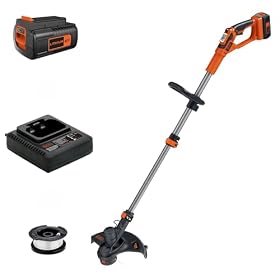
A curved-shaft string trimmer can be a practical choice for light lawn edging because it is generally compact and easy to guide. Here is what to look for before buying.
A curved-shaft string trimmer is a sensible choice for light lawn edging, trimming around walkways, and maintaining small grass borders. Its shape can feel easier to guide for short jobs, but it is usually less suitable for thick weeds, heavy brush, or large areas that demand maximum reach and cutting capacity.
Why choose a curved shaft for light edging?
The curved shaft places the cutting head closer to the operator than many straight-shaft designs. That can make the trimmer feel compact and maneuverable around flower beds, sidewalks, fences, and lawn borders.
For light edging, the main advantages are:
Easy handling: The shorter, more compact layout can be comfortable for brief trimming sessions.
Good maneuverability: A curved shaft can be easier to steer around landscaping and other obstacles.
Convenient storage: Many models take up less visual and physical space than longer trimmers.
Suitable cutting demands:Light grass and thin lawn overgrowth usually do not require the reach or heavy-duty capability of a brush cutter.
A curved shaft is not automatically better for every user. Body height, yard layout, trimmer weight, and the amount of vegetation you cut matter more than the shaft shape alone.
What to check before buying
Shaft length and user comfort
A curved shaft may feel natural for one person and cramped for another. Check the product’s recommended operator height range if the manufacturer provides one. You should be able to hold the trimmer with the cutting head level and maintain a relaxed arm position without bending excessively.
An adjustable handle or shaft can improve fit, but do not assume every curved-shaft model includes one. Review the manufacturer’s specifications and adjustment instructions before buying.
Weight and balance
For light edging, a trimmer that is easy to start and carry may be more useful than one with the highest output. Pay attention to the listed weight and whether that figure includes the battery, fuel, cutting head, or guard.
Battery models may feel heavier at the head or near the battery mount, depending on their design. Gas models may become more tiring because of engine vibration, fuel, and maintenance. A shoulder strap or adjustable loop handle can help with longer sessions, but it does not make an improperly sized trimmer comfortable.
Power source
Choose the power system based on the size of the job and your tolerance for maintenance:
Cordless electric: Convenient for routine edging when the battery runtime covers the job. Confirm that the battery and charger are included if needed.
Corded electric: Useful near an outlet, but the cord requires careful management around the cutting head, landscaping, and wet conditions.
Gas-powered: Can provide longer continuous operation with refueling, but requires fuel handling, starting procedures, ventilation, and engine maintenance.
For small lawns and occasional edging, cordless or corded electric models are often the simpler fit. Follow the manufacturer’s instructions for charging, extension cords, fuel, and operating conditions.
Line diameter and cutting head
Trimmer line size affects both cutting ability and the equipment’s compatibility. Thicker line can handle tougher vegetation, but it may require more power and may not fit a light-duty head. Use only the line diameter and type specified for the trimmer.
Automatic-feed, bump-feed, and fixed-line heads each have different operating methods:
Automatic-feed heads advance line through a built-in mechanism.
Bump-feed heads release more line when the head is tapped against the ground as directed.
Fixed-line heads use precut pieces and can be straightforward for light work, but require carrying replacement pieces.
Do not install a larger line simply to increase cutting power. An oversized line can overload the motor or engine, reduce performance, and damage the head.
Guard and edging position
A properly fitted guard helps limit debris thrown toward the operator. Some trimmers also include an edge guide or allow the head to rotate for edging. These features are useful near sidewalks and garden borders, but they do not replace eye protection and careful technique.
Check whether the model supports the edging position you want and whether changing positions requires a tool. The cutting head should remain stable and easy to control in both trimming and edging modes.
Product prices and availability are accurate as of the date/time indicated and are subject to change. Any price and availability information displayed on Amazon.com at the time of purchase will apply to the purchase of this product.
When a curved shaft is the wrong choice
Consider a straight-shaft trimmer or a brush cutter when you regularly need to:
Cut tall, dense, or woody weeds
Reach beneath shrubs, decks, or low branches
Cover a large property
Use a metal blade approved for the tool
Operate for extended periods where reach and harness compatibility matter
A curved-shaft trimmer is generally intended for lighter vegetation. Never fit a blade or attachment unless the manufacturer specifically approves it for that model and provides the required guard and operating instructions.
Product prices and availability are accurate as of the date/time indicated and are subject to change. Any price and availability information displayed on Amazon.com at the time of purchase will apply to the purchase of this product.
A practical buying checklist
Before ordering, confirm these details:
The shaft length and handle position suit your height.
The listed weight includes the components you will actually use.
The power source matches your yard size and available charging, electrical, or fuel setup.
The included guard is designed for the cutting head supplied.
The trimmer accepts readily available replacement line or spools.
The head supports the line diameter you intend to use.
Replacement batteries, spools, or heads are available if the model uses proprietary parts.
The manufacturer permits the edging method and attachments you need.
For occasional light lawn edging, prioritize comfort, easy line replacement, and a suitable power source over maximum engine or motor output. For demanding vegetation, choose a tool designed for that workload rather than expecting a light curved-shaft model to perform like a brush cutter.
Product prices and availability are accurate as of the date/time indicated and are subject to change. Any price and availability information displayed on Amazon.com at the time of purchase will apply to the purchase of this product.
Safe use around lawn edges
Wear eye protection, closed-toe footwear, and clothing that covers exposed skin. Clear stones, wire, sticks, and other debris before trimming. Keep people and pets away from the work area, and operate the trimmer according to the manufacturer’s instructions.
Keep the cutting head at the recommended height and avoid forcing it into concrete, pavers, fences, or tree trunks. For corded models, use only an appropriate outdoor-rated extension cord and keep the cord behind you and away from the cutting path. Stop the tool and disconnect its power source before clearing a jam, replacing line, or inspecting the head.
FAQ
Are curved-shaft string trimmers good for edging?
Yes. Curved-shaft trimmers can work well for light lawn edging and trimming around sidewalks, flower beds, and fences. Check that the specific model supports an edging position or edge guide if that feature is important to you.
Can a curved-shaft trimmer cut thick weeds?
It may handle occasional moderate weeds if its power and line specifications allow it, but curved-shaft models are generally better suited to grass and light vegetation. Dense, tall, or woody growth may require a straight-shaft trimmer or brush cutter designed for heavier work.
Is a curved shaft easier to use than a straight shaft?
It can feel more compact and maneuverable, especially for short edging jobs, but comfort depends on your height, the trimmer’s weight and balance, and the handle position. Compare the complete tool weight and adjustment range rather than choosing by shaft shape alone.
What trimmer line should be used in a curved-shaft trimmer?
Use the line diameter and type specified by the manufacturer. Thicker line is not always better; an oversized line can overload the tool or fail to fit the cutting head.