Guard Throwing Clippings at Your Legs: Checks and Fixes
A string trimmer guard may be loose, damaged, incorrectly matched to the head, or simply positioned on the wrong side for the trimmer’s rotation. Shut the trimmer off before inspecting it, then check the guard and line before changing your technique.
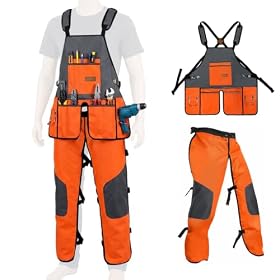
If clippings are hitting your legs, stop and check the guard before continuing. It may be loose, damaged, installed incorrectly, or mismatched to the trimmer head. A guard reduces flying debris but may not catch everything, so wear eye protection, long pants, and sturdy footwear whenever you trim.
Shut off the trimmer before checking it
Turn the trimmer off and wait for the head to stop completely. Remove the battery or disconnect the spark-plug wire on a gas trimmer before inspecting the head, guard, or line. Follow the owner’s manual for the model-specific shutdown procedure.
Never run the trimmer with its guard removed, and do not cut, bend, or otherwise modify the guard to change where clippings go.
Check that the guard is fitted correctly
Look for a guard that is loose, cracked, bent, or missing mounting hardware. Check that it is attached in the position shown in the manual and sits between the cutting head and your legs. A guard that has shifted or is on the wrong side may deflect debris toward you.
Also confirm that the guard is made for your trimmer and the installed head. Some trimmers use different guards for different cutting attachments. If the correct guard is damaged or will not stay secure, replace it with a compatible part rather than improvising a repair.
Product prices and availability are accurate as of the date/time indicated and are subject to change. Any price and availability information displayed on Amazon.com at the time of purchase will apply to the purchase of this product.
Check the line and cutting head
Use the line type and diameter specified for the head. Line that is too long, too thick, or incompatible with the head can interfere with the guard or create more debris. If the guard has a line-cutting blade, make sure it is present and intact; it trims line to the intended length. Do not remove or bypass it.
Clear grass or weeds wrapped around the head only after the trimmer is shut off and its power source is disconnected. If the head itself is loose, damaged, or not approved for the trimmer, consult the manual before using it again.
Product prices and availability are accurate as of the date/time indicated and are subject to change. Any price and availability information displayed on Amazon.com at the time of purchase will apply to the purchase of this product.
Adjust your trimming direction and stance
Trimmer heads rotate in different directions, so the best working position depends on your model. Check the manual for the rotation direction and recommended cutting technique. Keep the guard between the head and your body, and sweep so debris travels away from your legs when possible.
Keep the head low and avoid swinging it toward your feet. Wind, dense vegetation, and a surface covered with dry debris can send material beyond the guard. If debris still reaches you, change your position or stop until conditions are safer. Do not rely on the guard alone for protection.
When to replace a part or stop using the trimmer
Replace a cracked, warped, or insecure guard, and use only a part listed as compatible with your trimmer and attachment. If the guard is intact but the line or head is the wrong type, correct that setup before trimming again.
If the right guard cannot be secured, the head vibrates unusually, or debris continues to be thrown toward you despite correct setup and technique, stop using the trimmer and contact the manufacturer or a qualified service professional. Do not operate it without the guard.
FAQ
Can I use a string trimmer without its guard?
No. The guard helps deflect debris and may include a line-cutting blade. Use the correct guard for your trimmer and attachment, and follow the owner’s manual.
Can trimmer line that is too long throw more clippings?
It can. Use the line diameter and type specified for the head, and let the guard’s line-cutting blade trim the line if your model has one. Never remove or bypass that blade.
Why does the guard seem to send debris toward me?
It may be loose, incorrectly positioned, damaged, or mismatched to the cutting head. The trimmer’s rotation direction and your sweeping direction also affect where debris goes.
What should I wear if the guard does not catch every clipping?
Wear eye protection, long pants, and sturdy footwear. A guard reduces debris exposure but cannot guarantee that all clippings or small objects will be deflected.