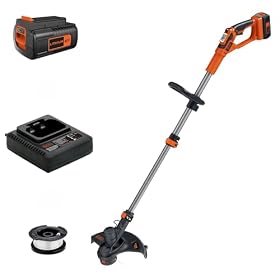
Reviewers Testing String Trimmers in Thin Fescue Only
A string trimmer that handles thin fescue may still struggle with tall grass, dense weeds, or brush. Here’s how to judge what a thin-fescue-only review actually tells you.
Reviewers testing in thin fescue only
A string trimmer review based only on thin fescue can show how a trimmer handles light trimming, but it does not establish how well it cuts tall grass, dense weeds, or brush. Treat that test as a limited check of basic cutting and handling—not proof that the trimmer is suitable for demanding yard work.
What thin-fescue testing can tell you
Thin fescue is a relatively light cutting load compared with overgrown grass or woody weeds. A review using it may still help you assess whether the trimmer starts easily, feels manageable, and cuts ordinary lawn edges or sparse growth without obvious trouble.
Pay attention to the test details, not just the result. Useful information includes the trimmer’s power source, cutting-head setup, line type and diameter, how long the trimmer ran, and whether the reviewer had to stop to feed or replace line. Without those details, it is hard to know whether the result applies to your yard.
Product prices and availability are accurate as of the date/time indicated and are subject to change. Any price and availability information displayed on Amazon.com at the time of purchase will apply to the purchase of this product.
What the test does not establish
Thin fescue alone is not a meaningful stress test for heavier jobs. It does not show whether the trimmer can consistently cut:
Tall, matted grass
Thick or tangled weeds
Stiff stems or light brush
Long stretches of growth without frequent line-feed problems
It also cannot establish battery runtime under heavy cutting, durability over time, or how well the trimmer performs with a different head or line. Those results depend on the tool, setup, vegetation, and operating conditions.
Product prices and availability are accurate as of the date/time indicated and are subject to change. Any price and availability information displayed on Amazon.com at the time of purchase will apply to the purchase of this product.
How to judge a review before buying
Match the test to the work you need to do. For occasional edging and light cleanup, thin-grass results may be relevant. For an overgrown lot or dense weeds, look for a review that identifies the tougher vegetation and reports how the trimmer performed through it.
Check whether the review distinguishes between cutting ability and convenience. A trimmer might cut light grass adequately but still be awkward to handle, require frequent line feeding, or have limited runtime. For battery models, look for runtime under a workload similar to yours; an unloaded or light-duty runtime figure may not predict heavy-use results.
Also confirm that the reviewer used line and a head compatible with the trimmer. Follow the manufacturer’s instructions for line diameter, head compatibility, and any cutting attachments. A test using an unsuitable setup may say more about the setup than the trimmer.
What to do if your yard is tougher
If your work includes tall weeds or brush, prioritize reviews that test those conditions directly. Check the manufacturer’s guidance for the vegetation and attachments the trimmer is designed to handle. Do not assume a string trimmer is safe or suitable for woody growth simply because it can cut thin grass; use only approved attachments and follow the manual’s safety instructions.
If no review covers your conditions, treat thin-fescue performance as evidence of light-duty capability only. Choose a tool whose stated use matches your workload, or consider a purpose-built brush-cutting option if the manufacturer recommends it for the material you need to clear.
FAQ
Is thin fescue a useful test for a string trimmer?
It is useful for assessing light trimming and basic handling, but it does not show how a trimmer will perform in tall grass, dense weeds, or brush.
Can a trimmer that cuts thin grass handle thick weeds?
Not necessarily. Cutting performance depends on the trimmer, line and head setup, and the type and density of the growth. Look for testing in conditions similar to yours and follow the manufacturer’s guidance.
What should a string trimmer review report about its test?
Look for the vegetation type, trimmer setup, line specifications, workload, runtime conditions, and any line-feed or handling issues. Those details make it easier to judge whether the results apply to your yard.