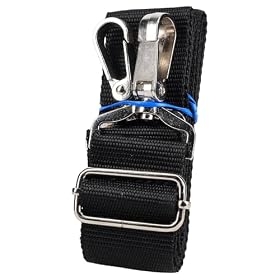
A shoulder strap can make a string trimmer feel steadier by supporting its weight, but the right attachment point and fit matter. Here’s how to choose and adjust one—and when bouncing points to another problem.
Shoulder strap reducing shaft bounce
A properly fitted shoulder strap can reduce the feeling that a string trimmer is bouncing by supporting some of its weight and helping you control the cutting head. It won’t fix every kind of bounce: poor balance, an incorrect strap position, line or head problems, or a damaged trimmer may be the real cause.
How a shoulder strap affects shaft bounce {#how-a-shoulder-strap-affects-shaft-bounce}
A strap supports the trimmer from a point on the shaft, taking some weight off your arms. When the attachment point and strap length are set correctly, the cutting head should hover at a comfortable working height and move smoothly from side to side.
A strap is most useful when the trimmer feels heavy or hard to keep level. A single shoulder strap may be enough for occasional trimming; a padded or two-shoulder harness can spread the load during longer sessions. Neither type should be expected to eliminate vibration or a rhythmic bounce caused by a mechanical problem.
Choose a strap that fits your trimmer {#choose-a-strap-that-fits-your-trimmer}
Check the trimmer manual before buying or attaching a strap. Some models have a designated harness point, while others aren’t designed to be used with one. A strap that looks universal may still lack the right clip, loop, or mounting hardware for your machine.
Consider:
Attachment compatibility: The clip or loop must fit the trimmer’s approved attachment point securely.
Release method: If your trimmer has a quick-release feature, make sure the strap works with it. Know how to release the machine before starting.
Support style: A basic shoulder strap is lighter and simpler. A padded or dual-shoulder harness can be more comfortable for extended work or a heavier trimmer.
Adjustment range: You should be able to set the cutting head at a workable height without stretching or leaning.
Don’t loop a strap around the handle, guard, or an improvised shaft location. Use only the mounting point and arrangement permitted by the manufacturer.
Product prices and availability are accurate as of the date/time indicated and are subject to change. Any price and availability information displayed on Amazon.com at the time of purchase will apply to the purchase of this product.
Adjust the strap to reduce bouncing {#adjust-the-strap-to-reduce-bouncing}
Turn the trimmer off and disconnect its battery, or unplug it. For a gas model, follow the manual’s instructions for making adjustments safely.
Attach the strap to the designated point and check that the connection is secure.
Put on the strap and adjust its length so the trimmer hangs comfortably. The cutting head should be near the ground at your normal working angle without forcing you to bend or lift your shoulder.
If the manual allows adjustment of the attachment point, move it in small increments and check the balance again. Don’t reposition it beyond the manufacturer’s guidance.
Before cutting, confirm that the strap’s release works and that it cannot catch on brush, branches, or other obstacles.
If the trimmer still bounces, check that the line or cutting head is installed correctly and is not damaged. Make sure the guard is secure and the trimmer is being used at a comfortable pace; forcing the head into thick vegetation can make control harder. Stop using the trimmer if the shaft or head appears loose, bent, or damaged, or if unusual vibration continues. Have it inspected or repaired according to the manufacturer’s instructions.
Product prices and availability are accurate as of the date/time indicated and are subject to change. Any price and availability information displayed on Amazon.com at the time of purchase will apply to the purchase of this product.
When a strap isn’t the answer {#when-a-strap-isnt-the-answer}
A strap can help with weight and balance, but it won’t correct a bent shaft, a loose cutting head, or a problem inside the drive system. Don’t keep trimming through strong vibration or unusual movement. Stop the machine, disconnect its power source before inspection, and consult the manual or a qualified service professional if you can’t identify the cause.
If your trimmer has no approved strap attachment point, don’t modify it to add one. A compatible trimmer or manufacturer-approved harness is the safer choice.
FAQ
Will a shoulder strap stop my string trimmer shaft from bouncing?
It may reduce bouncing caused by poor support or balance by helping you hold the trimmer at a steady height. It won’t fix a damaged, loose, or incorrectly assembled cutting head or shaft.
Where should a shoulder strap attach to a string trimmer?
Use only the attachment point specified in the trimmer’s manual. Don’t attach a strap to the handle, guard, or an improvised spot on the shaft.
Should I get a single strap or a harness?
A single strap is often simpler for shorter jobs. A padded or two-shoulder harness can spread the load for longer sessions or heavier trimmers, as long as it is compatible with the model.