A straight shaft string trimmer is usually the better choice for reaching under shrubs, trimming larger areas, or getting around obstacles. A curved shaft is often compact and comfortable for routine trimming along lawn edges and around a small yard. These are general tendencies, not guarantees: compare the trimmer’s actual weight, balance, reach, and features before choosing.
Choosing · Mon Sep 14
Straight Shaft Versus Curved Shaft String Trimmers
Straight shaft trimmers usually offer more reach for getting under shrubs and around obstacles. Curved shaft trimmers are often compact and easy to maneuver for routine lawn trimming. The better choice depends on your yard and how the trimmer feels in your hands.
How the shaft styles differ
A straight shaft runs in a direct line from the motor or powerhead to the cutting head. Its shape typically gives you more reach beneath bushes, benches, and fences. Many straight shaft models use a gear-driven head, but designs vary.
A curved shaft bends near the cutting head. The bend can make the tool feel compact and easy to position for everyday lawn trimming. Curved models are often aimed at lighter residential use, though the power and capabilities depend on the individual trimmer.
Neither shape guarantees a particular weight, power source, or cutting performance. Check the manufacturer’s specifications for the exact model.
Straight shaft trimmers for extra reach
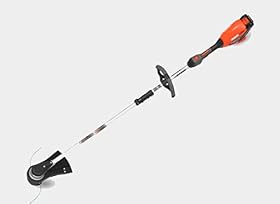 Echo eForce DSRM-2100 Straight Shaft Battery Trimmer w/ 56V Battery & Chargerechosari
$249.00 as of
View on Amazon Husqvarna 525iLK Straight Shaft 40V Battery Powered Trimmer, Lawn ToolsHusqvarna
$449.99 as of
View on Amazon Grass Gator 3630 Universal Bump & Feed Trimmer Head Replacement for Straight Shaft Gas Trimmers…Grass Gator
$22.99 as of
View on Amazon
Product prices and availability are accurate as of the date/time indicated and are subject to change. Any price and availability information displayed on Amazon.com at the time of purchase will apply to the purchase of this product.
Choose a straight shaft if you need reach
A straight shaft may suit you if you:
- Need to trim beneath shrubs, low branches, or outdoor furniture.
- Have a larger area or more awkward places to reach.
- Prefer a longer tool that keeps the cutting head farther from your feet.
- Want a model that may accept other attachments, such as a brush cutter blade or edging attachment.
Attachment compatibility is model-specific. Check the manufacturer’s instructions to confirm that the powerhead, shaft, guard, and attachment are designed to work together. Do not install a blade simply because a trimmer has a straight shaft.
Curved shaft trimmers for routine yard trimming
 Yard-Man YM132 15-Inch 5.2 Amp Electric Curved Shaft String Trimmer With Detachable ShaftYard Man
$79.99 as of
View on Amazon Reel Easy Bump Head Curved Shaft Arborless 311759013 311759003 AC04156 Compatible with Ryobi String Trimmers…Zuquanparts
$17.99 as of
View on Amazon
Product prices and availability are accurate as of the date/time indicated and are subject to change. Any price and availability information displayed on Amazon.com at the time of purchase will apply to the purchase of this product.
Choose a curved shaft for routine lawn trimming
A curved shaft may be a good fit if you:
- Mostly trim lawn edges and small areas around trees, beds, or fences.
- Prefer a compact tool that is easy to maneuver close to the ground.
- Do not need extra reach beneath obstacles.
- Find the curved design more comfortable to hold and guide.
Curved shafts can be less convenient for reaching far under low obstacles. If your yard has many such spots, compare the usable reach of both styles in person if possible.
Compare more than shaft shape
Before buying, check these details:
- Weight and balance: The listed weight may exclude the battery or cutting head. If possible, hold the trimmer in its ready-to-use configuration and see whether the cutting end feels tiring.
- Reach and handle position: A longer shaft can help with access, but a tool that does not fit your height or stance can be uncomfortable.
- Power and intended use: Match the trimmer’s stated capability to your grass and trimming workload. Shaft shape alone does not tell you how much cutting power it has.
- Line and head compatibility: Use the line type and diameter specified by the manufacturer. Some heads accept different line-loading methods, which can affect convenience.
- Attachments: If you want to use multiple tools on one powerhead, verify the exact attachment compatibility before purchasing.
Quick decision
Choose a straight shaft if reach and access under obstacles matter most. Choose a curved shaft if you mainly do routine trimming around a smaller yard and prefer a compact feel. If both seem suitable, let actual weight, balance, power, and manufacturer-approved features decide the choice—not the shaft label alone.
FAQ
Is a straight shaft string trimmer more powerful?
Not necessarily. Shaft shape does not determine a trimmer’s power. Compare the specific model’s motor or engine specifications and its stated intended use.
Which shaft is better for trimming under bushes?
A straight shaft usually provides more reach beneath bushes and other low obstacles, though the actual reach depends on the model and your working position.
Can you put a brush cutter blade on any straight shaft trimmer?
No. Use a blade only if the manufacturer approves that specific trimmer and attachment combination and provides the required guards and instructions.
Are curved shaft trimmers always lighter?
No. Curved models are often compact, but weight varies by model and may be listed without the battery or cutting head. Compare ready-to-use weight and balance.