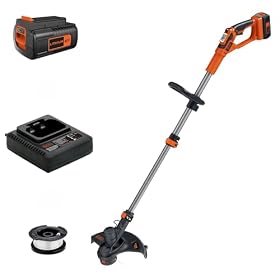
Attachment-capable power head versus a dedicated trimmer
An attachment-capable power head is the more versatile choice, while a dedicated string trimmer is usually simpler and easier to use. Here is how to decide between them.
Attachment-capable power head versus a dedicated trimmer
An attachment-capable power head makes sense if you want one motor unit for several yard tools. A dedicated string trimmer is usually the better choice if trimming grass and weeds is your main task and you value simplicity, lower setup time, and fewer parts to manage.
The right choice depends less on the word “power” and more on how often you will use attachments, how much trimming you do, and whether the compatible tool system fits your other outdoor equipment.
What is the difference?
An attachment-capable power head is a motor unit designed to accept interchangeable tools. Depending on the system, attachments may include a string-trimmer head, edger, pole saw, hedge trimmer, brush cutter, or cultivator. The motor, battery, controls, and drive shaft are shared between tools.
A dedicated string trimmer is built primarily for cutting grass and light weeds with a rotating line head. Some models may support limited adjustments, such as a pivoting head or edging position, but they generally do not accept a full range of tool attachments.
Compatibility is not universal. Attachments usually need to match the power-head brand, coupling design, shaft type, and manufacturer’s approved list. Do not assume that two products with similar-looking connection points are safe or compatible.
Choose an attachment-capable power head if versatility matters
A power head is worth considering when you expect to use multiple tools regularly. It can reduce the number of motors, batteries, chargers, and handles you need to store.
Advantages
One power system for several jobs: A compatible tool lineup may cover trimming, edging, hedge cutting, pruning, or other seasonal tasks.
Less storage: One motor unit can take up less room than several complete tools.
Useful for expanding a tool collection: If you already own compatible batteries and attachments, adding another tool may be more convenient.
Potentially better long-term value: The system becomes more useful as you add attachments you genuinely need.
Easier battery management: Cordless systems may let you use the same battery platform across approved tools.
Limitations
More setup between jobs: You may need to stop, disconnect the attachment, install another one, and adjust the controls or harness.
Shared components can become a bottleneck: If the power head or battery needs service, several tools may be unavailable.
The complete cost can grow: The power head may be only the starting point; each useful attachment is an additional purchase.
Attachment performance varies: A motor unit that handles trimming well may not deliver the same feel or balance with a pole saw, hedge trimmer, or brush cutter.
Compatibility requires attention: Check the manufacturer’s approved attachment list before buying replacement or third-party parts.
An attachment system is most practical when you have several jobs and will use the attachments often. Buying a power head solely for the possibility of future attachments can cost more than a dedicated trimmer without providing a real benefit.
Product prices and availability are accurate as of the date/time indicated and are subject to change. Any price and availability information displayed on Amazon.com at the time of purchase will apply to the purchase of this product.
Choose a dedicated string trimmer if trimming is the main job
A dedicated trimmer is generally the straightforward option for maintaining lawn edges, fence lines, garden borders, and areas a mower cannot reach.
Advantages
Simple operation: There is no attachment change before trimming.
Fewer compatibility concerns: You mainly need to match the correct line, spool, or replacement head to the trimmer.
Purpose-built balance: The handle, shaft, guard, and cutting head are designed around trimming rather than several different tools.
Less equipment to manage: You do not need to store or organize a collection of attachments.
Easier buying decision: You can focus on cutting width, power source, shaft design, line system, weight, and controls.
Limitations
Less versatile: A dedicated trimmer will not normally replace a pole saw, hedge trimmer, or other outdoor tool.
More separate equipment: If you later add other yard tools, each may require its own motor, battery platform, or charger.
Limited upgrade path: You cannot usually convert it into an attachment system if your needs change.
A dedicated trimmer is often the better fit for a small or medium yard, occasional maintenance, or anyone who wants a tool that can be picked up and used without configuring a larger system.
Product prices and availability are accurate as of the date/time indicated and are subject to change. Any price and availability information displayed on Amazon.com at the time of purchase will apply to the purchase of this product.
Compare the features that affect the decision
Power source
Gas, corded electric, and cordless models have different operating constraints.
Cordless: Convenient and portable, but runtime depends on the battery, cutting conditions, line size, and how aggressively the tool is used. For an attachment system, confirm whether the same battery is approved for all intended attachments.
Gas: Can provide long working sessions with refueling, but requires fuel management, engine maintenance, ventilation, and safe starting and storage practices.
Corded electric: Avoids fuel and battery charging, but the cord limits reach and requires careful management around the cutting head.
For an attachment-capable system, consider the power source across the entire lineup, not just the trimmer attachment. A battery that is adequate for light trimming may not provide the same useful runtime for a more demanding attachment.
Weight and balance
A dedicated trimmer may feel more predictable because its balance is designed around one cutting head. An attachment-capable power head can feel different as the tool length and weight change with each attachment.
Look at the complete working configuration, including the battery, guard, attachment, and any required shoulder strap. A tool that is manageable for a short trimming session may become tiring during extended work.
Cutting width and line system
Cutting width affects how much grass the head can clear in one pass, but a wider path can require more power and may be less convenient around tight borders. Line diameter and head design also affect cutting performance and compatibility.
Before buying a dedicated trimmer or trimmer attachment, check:
The approved line diameter
Whether the head uses bump feed, automatic feed, or manual loading
The available replacement spools or line-loading method
The recommended cutting width
Whether the guard must remain installed during use
Do not install heavier line or a different head unless the manufacturer specifically allows it. An unsuitable setup can overload the drive system or create a safety hazard.
Shaft and attachment connection
Attachment-capable systems may use straight or curved shafts and different coupling mechanisms. The connection should lock firmly, with no excessive movement. Use only attachments listed as compatible by the manufacturer.
A dedicated trimmer avoids most attachment-coupling decisions, but shaft shape and adjustability still affect reach, edging position, transport, and storage.
Controls and handling
Compare the trigger, lockout, variable-speed control, handle position, and harness provisions. These details affect fatigue and control more than a headline power rating alone.
For either type, the cutting guard should be correctly installed, and the tool should be operated according to the manual. Wear eye protection, sturdy footwear, long pants, and hearing protection when recommended.
Product prices and availability are accurate as of the date/time indicated and are subject to change. Any price and availability information displayed on Amazon.com at the time of purchase will apply to the purchase of this product.
Which option costs less over time?
Compare the complete system cost, not just the motor unit or trimmer body.
For an attachment-capable power head, include the price of every attachment you are likely to buy, plus batteries and chargers if they are not already included. Also consider whether replacement spools, line, drive parts, and attachment-specific maintenance are readily available.
For a dedicated trimmer, include replacement line or spools, batteries or fuel, and any likely replacement head. A dedicated model may have a lower initial cost when trimming is the only job, while a power-head system may offer better value if it replaces several tools you would otherwise purchase separately.
A useful rule is simple: buy the attachment system for jobs you already expect to do, not for hypothetical jobs you may never add.
Decision guide
Choose an attachment-capable power head when:
You regularly need at least two or three compatible yard tools.
You already own equipment from the same battery or attachment platform.
Storage space is limited.
You are willing to manage attachments and check compatibility.
The system offers the specific attachments you need.
You prefer a simple tool with fewer compatibility issues.
You do not want to buy and store extra attachments.
A dedicated configuration feels better balanced for your yard and work time.
Before buying, check these details
List the jobs you actually perform. Separate regular tasks from occasional possibilities.
Confirm compatibility. Check the manufacturer’s current approved attachment, battery, line, and replacement-head lists.
Compare complete working weight. Include the battery and the intended attachment.
Check replacement-part availability. Make sure line, spools, heads, guards, and other wear parts can be obtained.
Consider storage and transport. Long shafts and multiple attachments need more organization.
Review the warranty rules. Unauthorized attachments or modifications may affect coverage.
Match the tool to the vegetation. Heavy brush may require a purpose-rated brush cutter rather than a standard string-trimmer head.
Bottom line
An attachment-capable power head is the better choice for a coordinated yard-tool system and recurring work beyond trimming. A dedicated string trimmer is the more practical choice when you primarily cut grass and weeds and want a simple, ready-to-use tool.
If you are undecided, compare the cost and storage of the exact attachments you would buy in the next year. If that list is short, choose the dedicated trimmer. If several attachments already have a clear use, the power-head system may justify its added complexity.
FAQ
Can any string-trimmer attachment fit any power head?
No. Attachment connections, drive shafts, couplings, and manufacturer approvals differ. Use only attachments listed as compatible with the specific power head.
Is an attachment-capable power head as good as a dedicated string trimmer?
It can be effective for trimming, but balance, cutting width, controls, and power may differ by system. A dedicated trimmer is usually simpler, while a power head offers more versatility.
Do attachment-capable power heads save money?
They can save money when one motor, battery system, and handle replace several tools you would otherwise buy. If you only need trimming, a dedicated trimmer may cost less overall.
Can I use a brush cutter blade on a string-trimmer power head?
Only if the manufacturer specifically rates the power head, guard, shaft, and attachment for that blade. Do not substitute a blade for line without following the complete manufacturer instructions.