Buying after switching from gas to a battery platform
A battery string trimmer can simplify maintenance and starting, but the right choice depends on the platform, battery size, workload, and compatibility with your other tools.
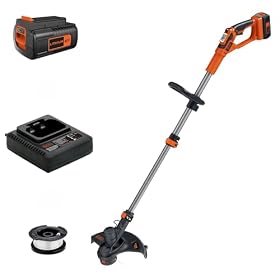
Switching from a gas string trimmer to a battery platform can eliminate fuel mixing, carburetor problems, exhaust, and pull-starting. The main buying decision is not simply choosing the most powerful trimmer; it is choosing a battery system that matches your yard, fits the other tools you own, and provides enough runtime without making the tool unnecessarily heavy.
Start with the battery platform
If you already own battery-powered outdoor tools, staying within that platform is usually the simplest choice. Batteries and chargers are often interchangeable only within a manufacturer's specific voltage system and product lineup, so check the tool's compatibility information before assuming a battery will fit.
If you are starting from scratch, compare the complete system rather than the bare trimmer:
Trimmer price
Battery price and capacity
Charger price and charging speed
Availability of replacement batteries
Compatibility with blowers, hedge trimmers, chainsaws, and other tools you may buy later
Warranty and local parts availability
A bare tool may look less expensive, but it is only a good value if you already have a compatible battery and charger. For a first purchase, compare kit contents and the cost of adding a second battery for larger jobs.
Choose voltage for the work, not just the label
Battery voltage can provide a general indication of the tool's intended workload, but it does not tell the entire performance story. Motor design, cutting-head efficiency, line diameter, control electronics, and battery capacity also affect how the trimmer works.
A practical way to think about the choices:
Light-duty systems: Suitable for grass trimming around sidewalks, garden beds, and small yards. They are often lighter and easier to handle.
Midrange systems: A useful compromise for regular residential maintenance and thicker grass.
Higher-output systems: Better suited to large properties, dense weeds, long sessions, or heavier cutting attachments, but they can cost more and add weight.
Do not choose a higher-voltage trimmer solely because the number is larger. If your work is limited to edging a small lawn, a heavier system may make the job less comfortable without providing a meaningful benefit.
Product prices and availability are accurate as of the date/time indicated and are subject to change. Any price and availability information displayed on Amazon.com at the time of purchase will apply to the purchase of this product.
Check runtime in terms of your actual job
Runtime depends on more than the battery's capacity. Dense weeds, tall grass, thick line, high-speed operation, and repeated acceleration all increase energy use. Wet vegetation can also make cutting harder.
Before buying, estimate:
How many minutes you normally spend trimming.
Whether you trim continuously or work in short sections.
Whether the same battery will be used with another tool that day.
A larger-capacity battery generally supports longer operation, but it can also add noticeable weight. For routine maintenance, one moderate battery may be easier to carry than the largest available pack. For a large yard, buying a second compatible battery may be more practical than stopping to recharge.
Treat manufacturer runtime claims as estimates under specified conditions. Compare the testing conditions with your own workload, and leave some reserve rather than planning to use every last bit of charge.
Product prices and availability are accurate as of the date/time indicated and are subject to change. Any price and availability information displayed on Amazon.com at the time of purchase will apply to the purchase of this product.
Decide whether a kit or bare tool makes sense
Buy a kit when you need the battery and charger, or when the kit includes components that are difficult to source separately. A bare tool makes more sense when you already own a compatible battery system and want to add another tool without duplicating chargers.
Check these details before ordering:
Battery voltage and platform name
Whether the battery is included
Whether the charger is included
Battery capacity, if listed
Compatibility with your existing batteries
Included cutting head, guard, shoulder strap, and line
Whether the tool accepts the line diameter you prefer
Do not assume that batteries from tools with similar-looking packs are interchangeable. Use the manufacturer's compatibility chart or product manual.
Product prices and availability are accurate as of the date/time indicated and are subject to change. Any price and availability information displayed on Amazon.com at the time of purchase will apply to the purchase of this product.
Compare cutting performance and line capacity
A battery trimmer's cutting performance depends heavily on the line and head. A larger line can handle tougher vegetation, but it may require more motor power and consume energy faster. A smaller line can be efficient for grass and light trimming.
Look for a head that supports a line size appropriate for your work and is easy to reload. Important differences include:
Availability of replacement spools and compatible line
Bump-feed heads let the operator advance line by tapping the head against the ground, while automatic systems reduce manual intervention but may use line differently. A manual-feed design can be simple and predictable, but it requires stopping to adjust the line.
If you regularly cut thick brush or woody growth, confirm whether the trimmer is designed for a compatible blade or brush-cutter attachment. Never add a blade unless the tool, guard, handle configuration, and manufacturer instructions specifically support it.
Product prices and availability are accurate as of the date/time indicated and are subject to change. Any price and availability information displayed on Amazon.com at the time of purchase will apply to the purchase of this product.
Pay attention to ergonomics
Battery trimmers are often quieter and easier to start than gas models, but the battery's position can affect balance. A large battery mounted near the rear of the tool may make the trimmer feel different from a gas unit, even if the total weight is similar.
Compare:
Bare-tool weight and weight with the battery installed
Adjustable shaft length
Handle and trigger position
Shoulder-strap compatibility
Guard visibility
Low-speed and high-speed controls
Vibration and grip comfort
A shoulder strap can make a heavier trimmer easier to control during long sessions. It does not eliminate the need to maintain a stable grip and safe cutting position.
Consider charging and battery storage
Charging time matters if you have a large property or use the same battery with several tools. A second battery can keep work moving, but it increases the system's total cost.
For dependable ownership:
Charge batteries with the approved charger.
Follow the manufacturer's temperature and storage guidance.
Keep battery contacts clean and dry.
Do not use a swollen, cracked, leaking, or visibly damaged battery.
Store batteries away from extreme heat, moisture, and metal objects that could bridge the contacts.
If a battery becomes unusually hot, develops damage, or will not charge normally, stop using it and follow the manufacturer's instructions. Do not attempt to open or repair a lithium-ion battery pack yourself.
Understand the maintenance tradeoff
A battery trimmer generally requires less routine maintenance than a gas model, but it is not maintenance-free. After each use, remove grass and debris from the head, guard, air passages, and shaft. Inspect the line, spool, guard, and fasteners before the next job.
Keep the battery removed before cleaning, clearing wrapped grass, replacing line, or servicing the head. Use only the line sizes and attachments specified for the trimmer.
The main long-term replacement item is often the battery. If the trimmer still works correctly but runtime has declined substantially, replacing the compatible battery may be more sensible than replacing the entire tool. If the battery is healthy but the motor, trigger, gearbox, or control electronics have failed, compare repair availability and cost with the price of a replacement trimmer.
A practical buying checklist
Before choosing a battery platform, answer these questions:
Do I already own compatible batteries and a charger?
How much trimming do I do in one session?
Is my vegetation mostly lawn grass, or do I cut dense weeds and brush?
Would a lighter tool be more comfortable than a higher-output model?
Can I buy replacement batteries, line, spools, and heads easily?
Does the platform include other tools I may want later?
Am I comparing the cost of the complete kit rather than only the bare tool?
Does the trimmer support the line size and attachments I need?
For a small yard, prioritize low weight, easy line loading, and a battery you can share with other tools. For a larger or rougher property, prioritize sustained output, battery availability, a comfortable harness or strap, and the option to keep a spare battery charged.
FAQ
Is switching from a gas string trimmer to battery worth it?
For many homeowners, yes. Battery models avoid fuel mixing, exhaust, carburetor maintenance, and pull-starting. The tradeoffs are limited runtime, battery replacement cost, charging time, and the possibility of less sustained power for very heavy vegetation.
Should I buy a battery string trimmer with a battery or as a bare tool?
Buy a kit if you do not already own a compatible battery and charger. A bare tool can be the better value when you already have the correct battery platform, but verify compatibility rather than relying on similar-looking battery packs.
What battery size do I need for a string trimmer?
Choose based on the length and difficulty of your typical trimming sessions. A smaller pack may be lighter and sufficient for a small lawn, while a larger pack or spare battery is more useful for large yards and dense weeds. Capacity alone does not determine cutting power.
Can I use any battery with a battery string trimmer?
No. Batteries generally need to match the manufacturer's platform, voltage system, and compatibility requirements. Use the product manual or official compatibility information before installing a battery.
Why does my battery trimmer lose power quickly?
Check for a heavily loaded or incorrect line, grass wrapped around the head, a clogged guard area, dense vegetation, or a battery that is cold, hot, damaged, or near the end of its service life. If the battery charges normally but runtime remains poor, replacement may be appropriate.