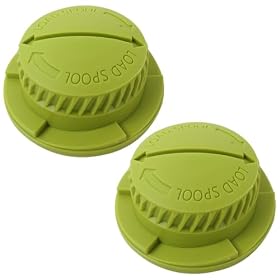
Best string trimmer if you already own the batteries
If you already own batteries, the best string trimmer is usually the compatible bare tool—not necessarily the most powerful trimmer available. Check the battery platform first, then compare cutting performance, runtime, weight, line handling, and included equipment.
If you already own batteries, start by shopping within that exact battery platform. The best choice is usually a compatible bare-tool string trimmer that accepts your existing battery, rather than a kit that includes another charger and battery you do not need. After confirming compatibility, compare motor power, cutting width, line system, balance, and whether your batteries provide enough runtime for the size of your yard.
Start with battery compatibility
Battery compatibility is more specific than matching a brand name or voltage printed on the battery. Before buying, confirm all of the following:
The trimmer is made for the same battery platform as your battery.
The voltage class or battery series matches the manufacturer’s requirements.
Your battery physically locks into the tool.
The manufacturer lists the battery as compatible with that trimmer.
The listing is for the bare tool if you already have a battery and charger.
Do not assume that two batteries from the same manufacturer work across every cordless tool. Some brands have separate voltage families, older and newer interfaces, or high-output batteries intended for specific tools. Use the compatibility chart in the trimmer’s manual or product listing when available.
Bare tool versus kit
A bare tool normally includes the trimmer and its cutting equipment but not a battery or charger. It is often the better value when you already own a compatible battery.
A kit usually includes at least one battery and a charger. It can still make sense if your current battery is small, worn out, incompatible, or insufficient for the trimmer’s power demands. Compare the kit contents carefully rather than paying for accessories you will not use.
Match the trimmer to your yard
The right trimmer depends on how much grass and light vegetation you cut, how often you work, and how far you are from a charger.
Small yards and touch-up work
For edging sidewalks, trimming around garden beds, and maintaining a smaller lawn, a compact cordless trimmer may be the most convenient choice. Lower weight and easy handling can matter more than maximum cutting power.
A smaller battery may also be adequate for short sessions, especially if you already have multiple batteries and can swap them. Look for an adjustable shaft, a comfortable grip, and a head that is easy to control around plants and hard surfaces.
Larger yards and heavier grass
For larger properties or dense, tall grass, prioritize a trimmer designed for higher output and batteries with adequate capacity. A wider cutting swath can cover ground faster, but it may also draw more power and place greater demands on the battery.
Higher-output trimmers are often heavier. Check the complete tool weight with the battery installed—not just the bare-tool weight—because that is what you will carry while working. A shoulder strap or harness can improve comfort on longer jobs if the manufacturer supports one.
Weeds, vines, and brush
A standard string trimmer is intended primarily for grass and light weeds. Thick woody growth, dense vines, and saplings may require a model designed to accept a brush-cutter blade or a separate brush cutter.
Do not install a blade unless the trimmer is specifically designed for it and the correct guard, hardware, and instructions are provided. Follow the manufacturer’s safety requirements, and use the protective equipment specified in the manual.
Product prices and availability are accurate as of the date/time indicated and are subject to change. Any price and availability information displayed on Amazon.com at the time of purchase will apply to the purchase of this product.
Specifications that affect the buying decision
Cutting swath
Cutting swath is the width covered with each pass. A wider swath can reduce the number of passes needed, but it may use more line and battery power. A narrower swath can be easier to control around landscaping and may suit small, detailed areas.
Choose based on your priorities:
Wider swath: faster coverage for open areas.
Narrower swath: more control around beds, fences, and obstacles.
Line diameter and feed system
Check the line diameter the trimmer accepts. Thicker line can handle tougher vegetation, but it may require a compatible head and more motor power. Do not use line outside the manufacturer’s specified range.
The head may use bump feed, automatic feed, or a manual feed system. Bump-feed heads can be convenient when you need to release more line while working. Automatic systems reduce the need to tap the head, while manual systems can be simple but slower to adjust.
Also check whether the tool uses a prewound spool, replacement spool, or loose line that you wind yourself. The cheapest long-term option may not be the most convenient one.
Adjustable shaft and head position
An adjustable shaft can help different users find a comfortable working height. A rotating or pivoting head may make edging easier, but extra adjustment points can add complexity and weight.
If you regularly edge along sidewalks, confirm that the trimmer has a practical edging mode or head adjustment. A simple fixed head may be preferable if you mainly trim around obstacles.
Runtime and battery capacity
Battery capacity is commonly expressed in amp-hours, but capacity alone does not predict exact runtime. Runtime also depends on line diameter, cutting width, grass density, throttle use, battery condition, and temperature.
Use the manufacturer’s runtime guidance as an estimate rather than a guarantee. For a larger yard, owning two compatible batteries may be more useful than choosing a trimmer with a slightly wider cutting swath. If you already own several batteries, verify whether the trimmer can use them safely and whether its power requirements favor a higher-output pack.
Controls and vibration
A variable-speed trigger can help conserve battery power during light trimming and provide more control around delicate plants. A two-stage start or safety switch can reduce accidental activation.
Look for a front handle that can be repositioned and a balance point that feels manageable with the battery installed. Excessive vibration, awkward controls, or a poorly positioned battery can make a technically powerful trimmer tiring to use.
Replacement batteries for an existing trimmer platform
Product prices and availability are accurate as of the date/time indicated and are subject to change. Any price and availability information displayed on Amazon.com at the time of purchase will apply to the purchase of this product.
How to choose from compatible options
Once you have confirmed the battery platform, narrow the choices in this order:
Choose the correct bare tool or kit. Avoid buying a duplicate battery unless you need one.
Confirm battery compatibility. Check the exact series and voltage requirements.
Match the power level to your vegetation. Light grass does not require the same tool as thick weeds.
Choose a practical cutting swath. Wider is not automatically better for detailed trimming.
Check line and spool availability. Make sure replacement consumables are easy to find.
Compare complete weight and balance. Include the battery in the assessment.
Review the warranty and service support. A compatible tool is less useful if replacement parts are difficult to obtain.
Product prices and availability are accurate as of the date/time indicated and are subject to change. Any price and availability information displayed on Amazon.com at the time of purchase will apply to the purchase of this product.
When your existing battery may not be enough
Your current battery may technically fit but still be a poor match for the job. Consider a larger or higher-output compatible battery if:
The trimmer shuts down under heavy grass loads.
Runtime is too short for your normal work.
The battery is old, damaged, or no longer holds a charge well.
The manufacturer specifies a minimum battery size or output.
You frequently need maximum power rather than occasional touch-up use.
Do not use a damaged, swollen, leaking, or unusually hot battery. Stop using it and follow the manufacturer’s disposal or service guidance. For charging problems, inspect the charger, contacts, and battery for visible damage, but do not open or repair a lithium-ion battery yourself.
Product prices and availability are accurate as of the date/time indicated and are subject to change. Any price and availability information displayed on Amazon.com at the time of purchase will apply to the purchase of this product.
When a different tool is the better choice
A compatible string trimmer is not always the right purchase. Consider a dedicated brush cutter for substantial woody growth, a corded model if you work near a reliable outlet and want continuous runtime, or a gas-powered tool if the manufacturer’s cordless options do not provide the power and runtime your property requires.
For ordinary lawn edges, fence lines, and light weeds, however, staying within your existing battery platform can reduce duplicate chargers, simplify storage, and make battery swapping more convenient. The best choice is the compatible model that fits your workload—not simply the one with the highest advertised power.
FAQ
Is a bare-tool string trimmer the best choice if I already own batteries?
Usually, yes, if the trimmer is confirmed to use your exact battery platform and your batteries are in good condition. A kit may be worthwhile if you need a larger battery, a replacement charger, or a different voltage series.
Can I use any battery from the same brand in a string trimmer?
No. Battery systems can differ by voltage class, connector design, electronics, and tool compatibility. Check the manufacturer’s compatibility information for the exact battery and trimmer series.
What battery size is best for a cordless string trimmer?
It depends on the cutting load and property size. A smaller battery may suit short touch-up jobs, while larger or higher-output batteries can provide longer runtime or better performance in dense grass. Follow the trimmer manufacturer’s battery recommendations.
Is a wider cutting swath better?
A wider swath can cover open lawn faster, but it can use more line and battery power and may be less precise around landscaping. Choose a width that matches the balance between coverage and control you need.
When should I choose a brush cutter instead of a string trimmer?
Choose a brush cutter when you regularly cut thick weeds, vines, or woody stems and the tool is designed for the appropriate blade or heavy-duty attachment. Do not add a blade to a trimmer unless the manufacturer specifically approves it and supplies the required guard and hardware.