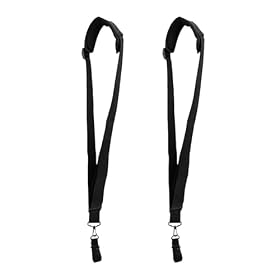
A properly fitted harness can make a heavy gas trimmer easier to control and reduce strain. Here is what to check before buying one.
Buying a harness for a heavy gas trimmer
A harness is worth considering when a gas trimmer feels heavy, pulls to one side, or causes shoulder and back fatigue during extended cutting. The right harness transfers some of the tool’s weight to your torso and hips while keeping the trimmer balanced and easy to release. Compatibility and fit matter more than padding alone.
Check compatibility first
Start with the trimmer’s owner’s manual. Some gas trimmers use a simple shoulder strap, while heavier straight-shaft trimmers and brush cutters are designed for a full or semi-full harness with a specific attachment point.
Before buying, confirm:
Attachment style: Check whether the trimmer needs a hook, loop, clip, or manufacturer-specific connector.
Attachment location: The connection point on the harness should place the tool near its intended balance point.
Left- or right-side use: Some systems are designed to carry the tool on a particular side.
Tool category: A harness for a brush cutter may work with a heavy trimmer, but only if the attachment and release system are compatible.
Manufacturer requirements: Using an incompatible harness can make the trimmer difficult to control or interfere with its safety features.
Do not assume that every universal-looking strap will fit every trimmer. If the connection hardware does not engage securely, do not modify it with improvised clips, knots, or hardware.
Choose the right harness style
Single-shoulder strap
A basic shoulder strap is compact and quick to put on. It can be adequate for a lighter gas trimmer or short jobs, but it usually transfers more weight to one shoulder and offers less stability than a full harness.
Padded shoulder harness
A padded two-shoulder harness spreads the load more evenly and is generally a better choice for a heavy trimmer. Look for adjustable shoulder straps, a stable waist or chest section, and a tool connection that stays in position while cutting.
Full or forestry-style harness
A fuller harness provides more support around the shoulders, chest, waist, and hips. It can be useful for long sessions, dense vegetation, or a brush cutter with a blade attachment. It may take longer to adjust and can be excessive for occasional light trimming.
Choose the simplest style that provides secure support and allows you to release the tool quickly.
Product prices and availability are accurate as of the date/time indicated and are subject to change. Any price and availability information displayed on Amazon.com at the time of purchase will apply to the purchase of this product.
Features that affect the buying decision
Quick-release mechanism
A quick-release feature is one of the most important safety considerations. You should be able to separate yourself from the trimmer promptly if the cutting head catches vegetation, the tool starts moving unexpectedly, or you need to set it down.
Learn how the release works before starting the engine. Keep the mechanism clean and make sure it is not blocked by debris, clothing, or a twisted strap.
Adjustability
The harness should adjust to your body and work clothing without leaving excessive loose strap. Useful adjustments may include shoulder length, waist position, chest position, and the location of the tool connector.
A harness that only fits when you wear light clothing may become restrictive in cooler weather. Check the adjustment range rather than relying only on a general size label.
Padding and ventilation
Padding can reduce pressure from the straps, but thick padding does not automatically mean better support. Look for padding where the tool’s weight actually contacts your body, along with materials that allow some airflow if you work in warm conditions.
Metal versus plastic attachment hardware
Attachment hardware must be strong enough for the trimmer and rated or specified for that use. Metal hardware may provide durability, while reinforced plastic can reduce weight. The material matters less than secure engagement, correct fit, and the manufacturer’s instructions.
Tool balance adjustment
Some harnesses let you move the attachment point or use a sliding hook. This can help position the cutting head at a controllable height and keep the shaft from pulling away from your body. Make small adjustments with the engine off until the trimmer hangs in a stable position.
How to fit the harness
Turn the trimmer off, remove the ignition source as directed by the manual, and place it on a stable surface.
Put on the harness over the clothing you normally wear for the job.
Adjust the shoulder, chest, waist, and other straps so the harness is secure but does not restrict breathing or movement.
Attach the trimmer using the specified connector.
With the engine off, check that the tool hangs near its intended balance point.
Hold the handles in your normal cutting position and confirm that you can control the shaft without leaning or lifting your shoulder.
Practice the quick-release motion before starting the engine.
The harness should support the tool without preventing you from moving the cutting head away from your body. If you must fight the harness to steer the trimmer, change the adjustment or use a compatible harness designed for that tool.
Signs the harness is wrong or poorly adjusted
Stop and readjust if:
The trimmer’s cutting head constantly digs into the ground or rises away from it.
The shaft pulls sharply to one side.
The shoulder straps slide off or pinch your neck.
The waist or chest section shifts while cutting.
You cannot reach or operate the controls normally.
The quick-release mechanism is difficult to locate or operate.
The connector twists, opens, or does not seat positively.
A harness will not correct a mechanical balance problem. Excess vibration, a bent shaft, damaged cutting equipment, or an incorrectly installed head should be addressed separately.
Safety considerations
Use the harness only as described by the trimmer manufacturer. Wear eye and hearing protection, sturdy footwear, long pants, and any additional protective equipment required for the attachment you are using. Keep bystanders away from the work area.
Always stop the engine before clearing wrapped grass, changing line, inspecting the head, or adjusting the connection. A harness is not a substitute for controlling the handles, maintaining a safe stance, or using the correct guard.
If you use a metal brush-cutter blade, verify that both the trimmer and harness system are approved for that setup. Blade-equipped tools can have different balance and kickback risks than line heads.
When to replace the harness or choose a different one
Replace a harness if the straps are frayed, stitching is separating, buckles are cracked, the attachment hardware is bent, or the quick-release system no longer works smoothly. Do not repair a load-bearing strap with staples, ordinary tape, or unapproved fasteners.
A replacement harness is reasonable when the original is intact but cannot be adjusted to fit, causes pressure after short use, or does not keep the trimmer balanced. If the trimmer itself is too heavy or difficult to control even with a correctly fitted harness, a lighter trimmer or a different cutting system may be the safer solution.
FAQ
Do I need a harness for a heavy gas string trimmer?
Not always, but a harness is often helpful when the trimmer causes shoulder fatigue, feels difficult to balance, or is used for long sessions. Follow the trimmer manufacturer’s guidance before choosing one.
Can I use a brush cutter harness with a string trimmer?
Possibly, but the attachment hardware, balance, release system, and manufacturer approval must be compatible. Do not assume that a harness will fit safely just because both tools use a shoulder strap.
Should a trimmer harness support the tool’s full weight?
It should help transfer the tool’s weight to your body while leaving the handles available for control. The trimmer should remain balanced and easy to steer, not hang loosely or pull sharply in one direction.
What is the safest way to release a trimmer from a harness?
Learn the harness’s release motion with the engine off, then practice it before use. Keep the release mechanism unobstructed and follow the trimmer and harness instructions.
Can I modify a harness connector to fit my trimmer?
Avoid improvised modifications. If the connector does not engage securely or the harness is not approved for the trimmer, choose a compatible replacement or ask the manufacturer for guidance.