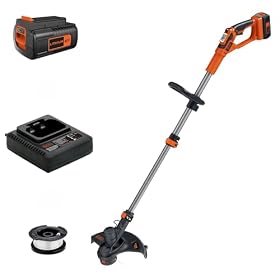
Best trimmer for a rental property with mixed weeds
The best trimmer for a rental property should handle routine grass trimming and occasional heavy weeds without creating unnecessary maintenance. For most property owners, a capable cordless model with a bump-feed head is the easiest choice; gas makes more sense for large lots or prolonged overgrowth.
A rental property with mixed weeds needs more than a light-duty grass trimmer. You may be cutting lawn edges one week, clearing fence lines the next, and dealing with tall, woody weeds or neglected growth between tenants. The best choice is a trimmer with enough power for heavy vegetation, a head that is easy to reload, and a power system that fits how often you visit the property.
For many rental properties, a mid- to high-power cordless trimmer is the most practical option. It starts immediately, needs little routine maintenance, and is easier to store than a gas unit. Choose gas instead when the lot is large, the vegetation is consistently dense, or you need long, uninterrupted run time.
What to look for
Enough power for mixed weeds
A trimmer used only for lawn edging does not need the same capability as one clearing tall weeds and volunteer growth. Look for a model marketed for heavy-duty or high-power trimming rather than an entry-level edging tool.
Power matters most when the property has:
Thick grass around fences, walls, or sheds
Tall weeds with tough stems
Vines, brambles, or dense ground cover
Areas that are mowed or maintained infrequently
Sloped or rough ground where a mower cannot reach
A standard string head is appropriate for grass and most green weeds. If the property regularly develops woody stems or brush, choose a trimmer that is approved by its manufacturer for a compatible brush-cutter blade. Do not install a blade unless the tool, guard, handle, and operating instructions specifically support it.
Battery or gas power
Cordless battery trimmers
Cordless models are usually the simplest choice for rental-property maintenance. They start with a switch, do not require fuel mixing or carburetor maintenance, and produce no exhaust at the work area.
Pay attention to the battery system, not just the trimmer. A larger battery may provide longer runtime but also adds weight. If you already own compatible tools, sharing batteries can reduce the number of chargers and battery platforms you need to maintain.
Cordless is a good fit when:
You visit one or more properties for short maintenance sessions
The property has moderate weed growth
You want easy starting and storage
Noise and exhaust are concerns
You can keep batteries charged between visits
Runtime depends on vegetation, line diameter, throttle use, battery capacity, and temperature. Check the manufacturer’s runtime guidance rather than assuming a battery will last for a full property visit.
Gas trimmers
Gas models remain useful for large lots, dense overgrowth, and long sessions away from an outlet or charger. They can be a better choice for a property that is often neglected or requires repeated clearing before mowing.
The tradeoffs are fuel storage, starting procedures, engine maintenance, exhaust, vibration, and typically more noise. Follow the manufacturer’s fuel and storage instructions carefully. Old fuel and improper storage are common reasons a gas trimmer becomes difficult to start.
A bump-feed head is usually the best default
A bump-feed head lets you advance line by briefly tapping the head against the ground while the trimmer is operating. It is a practical choice for rental maintenance because line can be added during work without stopping to replace a pre-cut piece.
Consider these head types:
Bump feed: Convenient for changing conditions and frequent use
Fixed-line head: Simple and often useful for thick weeds, but requires pre-cut line sections
Automatic feed: Convenient when it works correctly, but may use more line than necessary
Manual feed: Gives precise control but requires stopping to adjust the line
Avoid choosing a head solely because it is advertised as fast-loading. Confirm that replacement spools, line, and compatible head parts will remain available for the tool.
Choose the right trimmer line
Line diameter affects cutting ability, runtime, noise, and the likelihood of breaking. Thicker line generally handles tougher vegetation better, while thinner line is more efficient for grass and light weeds.
Use the diameter and shape specified by the trimmer manufacturer. A line that is too thick can overload the motor or engine, reduce cutting speed, or prevent the head from feeding correctly.
For mixed rental-property weeds, a durable round, square, twisted, or multi-sided line may be more useful than the thinnest line supplied with a light-duty trimmer. The exact choice depends on the head and the manufacturer’s limits.
Keep spare line or a spare compatible spool with the property-maintenance kit. Running out of line during a visit is avoidable, and storing line in a cool, dry place helps prevent it from becoming brittle.
Product prices and availability are accurate as of the date/time indicated and are subject to change. Any price and availability information displayed on Amazon.com at the time of purchase will apply to the purchase of this product.
Features that matter on rental properties
Adjustable shaft and handle
An adjustable shaft or handle helps different users work with better posture. A bicycle-style handle can offer more control during extended clearing, while a loop handle is often more compact and convenient for edging and smaller areas.
Shoulder strap or harness
A strap can reduce arm fatigue, especially with a heavier gas trimmer or a battery model using a large pack. Use only the strap and attachment points specified for the tool, and adjust it before starting work.
Guard design
The guard should be correctly installed and matched to the approved head and line. A guard that is too small, missing, or improperly fitted can allow debris to travel toward the operator or bystanders. Never remove it to gain a wider cutting path.
Variable-speed control
Variable speed helps conserve battery power and reduces line consumption when cutting light grass. Full power is useful for dense weeds, but operating continuously at maximum speed can shorten runtime and increase wear.
Serviceable head and parts
For a rental property, parts availability can matter more than a long feature list. Before buying, check that you can obtain the correct:
Replacement spools or line
Trimmer head
Guard and hardware
Battery, charger, or fuel-system parts
Brush-cutter accessories, if approved
A tool that cannot be repaired or supplied with replacement parts may be a poor fit for recurring property maintenance.
Product prices and availability are accurate as of the date/time indicated and are subject to change. Any price and availability information displayed on Amazon.com at the time of purchase will apply to the purchase of this product.
Match the trimmer to the property
Small rental yard with routine weeds
A compact cordless trimmer is usually sufficient when the yard is maintained regularly and the work consists mainly of edging, grass trimming, and light weeds. A smaller battery can keep the tool light, provided its runtime covers the job.
Medium property with fence lines and tall weeds
Choose a stronger cordless trimmer or a light- to medium-duty gas model. A bump-feed head, adjustable handle, and thicker approved line can make repeated cleanup faster and less frustrating.
Large lot or neglected property
A gas trimmer or a higher-output cordless system is more appropriate when you may spend a long time clearing dense growth. If brush and woody stems are common, consider a manufacturer-approved brush-cutter setup or a separate brush cutter rather than forcing a string head to do work it was not designed to handle.
Multiple rental properties
Standardizing on one battery platform can simplify charging, storage, and replacement. If properties are spread out or visits are unpredictable, keep a charged spare battery or choose gas equipment with a practical fuel-storage plan.
Product prices and availability are accurate as of the date/time indicated and are subject to change. Any price and availability information displayed on Amazon.com at the time of purchase will apply to the purchase of this product.
Safe operating practices
Inspect the area before trimming. Remove loose stones, wire, toys, and other objects that can become projectiles. Keep tenants, children, pets, and bystanders away from the work area, and wear eye protection, long pants, sturdy footwear, and hearing protection when appropriate.
Use the manufacturer’s specified line size, head, guard, fuel, battery, and accessories. Turn the tool off and disconnect the battery or stop the engine before clearing wrapped vegetation or servicing the head. For blade use, follow the required handle, harness, guard, and technique instructions; if the setup is unfamiliar, have a qualified professional demonstrate it.
Product prices and availability are accurate as of the date/time indicated and are subject to change. Any price and availability information displayed on Amazon.com at the time of purchase will apply to the purchase of this product.
When to buy a different tool instead
A string trimmer is not always the most efficient solution. A mower is better for large areas of ordinary grass. A hedge trimmer is designed for shrubs and hedge faces. A dedicated brush cutter is more appropriate for frequent woody growth, dense brambles, or saplings.
If the property repeatedly requires clearing material beyond the trimmer’s approved capability, buying the correct tool can be safer and may reduce damage to the trimmer head, drive shaft, and motor or engine.
Bottom line
For most rental properties with a combination of grass, fence-line weeds, and occasional heavy growth, choose a durable cordless string trimmer with enough output for dense weeds, a bump-feed head, an adjustable handle, and readily available replacement line and parts. Choose gas for large or consistently overgrown properties where runtime and sustained power are more important than easy starting and low maintenance. If woody brush is a regular problem, step up to a compatible brush-cutter system or a dedicated brush cutter instead of relying on string alone.
FAQ
Is a battery trimmer powerful enough for thick weeds at a rental property?
Often, yes, if it is a higher-output model rated for heavy-duty trimming and uses the manufacturer’s recommended line. Very dense, woody, or neglected growth may require a gas trimmer or a dedicated brush cutter.
What trimmer line is best for mixed weeds?
Use the largest diameter and line shape approved by the trimmer manufacturer. A durable, thicker line generally handles tough weeds better, but oversized line can overload the tool or feed poorly.
Should I choose bump feed or automatic feed?
Bump feed is usually the practical default for rental maintenance because you can advance line as needed and control consumption. Automatic feed can be convenient, but it may use line faster and can be harder to troubleshoot if the mechanism jams.
Can I use a blade on a string trimmer?
Only if the manufacturer specifically approves that trimmer, guard, handle, harness, and blade combination. Never modify the tool or remove its guard to use a blade. For frequent brush clearing, a purpose-built brush cutter is often the safer choice.