The best trimmer for someone with wrist issues is usually a well-balanced, lightweight model with a comfortable auxiliary handle, low vibration, easy controls, and a harness option. Here is how to compare those features without relying on marketing claims.
If you have wrist pain, the best string trimmer is rarely the one with the most power. Look for a trimmer that keeps its weight close to your body, feels balanced when held normally, has low vibration, and lets your shoulders and forearms do most of the work. A comfortable handle, an easy-to-control trigger, and a head that does not require frequent bumping can also make a significant difference.
If gripping or operating a trimmer causes sharp pain, numbness, tingling, or worsening symptoms, stop using it and ask a medical professional for guidance. The suggestions below are equipment-selection advice, not a treatment for an injury.
What to look for in a wrist-friendly string trimmer
Low weight and good balance
Total weight matters, but balance matters just as much. A trimmer can feel tiring even when its listed weight is relatively low if the cutting head is heavy or the motor places too much weight far from your hands.
When comparing models, look for:
A motor and battery positioned to keep the tool balanced rather than heavily front-loaded
A shaft length that lets you work without bending or reaching
A cutting head that does not make the front of the tool feel difficult to lift
A design that can be carried comfortably with both hands
A slightly heavier trimmer may be more comfortable than a lighter one if it stays level naturally. If possible, hold the tool in its normal operating position before buying. Check whether you have to twist your wrist upward to keep the head from dropping.
An adjustable auxiliary handle
The second handle should allow you to support and guide the trimmer with your other hand. An adjustable handle is especially useful because it lets you change the grip position until your elbows stay slightly bent and your wrists remain fairly straight.
Avoid relying on the rear hand to carry the entire tool. That position can concentrate the load in the wrist, particularly when edging or working along a slope. Tighten the auxiliary handle securely, but do not position it so far forward that you must stretch to reach it.
Low vibration
Vibration can cause fatigue even when the trimmer is not especially heavy. It may come from the motor, cutting head, line, shaft, or an incorrectly installed spool.
Look for a model with vibration-reducing grip materials and a rigid shaft. Also check that replacement spools and line are compatible with the head. An unbalanced spool, tangled line, or damaged head can increase vibration and make a normally comfortable trimmer feel harsh.
A trigger that does not require excessive force
A stiff trigger or awkward safety switch can make wrist and finger discomfort worse. The controls should be reachable without changing your grip or bending your wrist sharply.
A variable-speed trigger can help because you can use only the power needed for light grass and trimming. However, a trigger that must be held continuously may still be tiring for some users. Check the manufacturer’s instructions for any lock-on or cruise-control feature, and do not modify the safety controls yourself.
A head that minimizes manual line adjustments
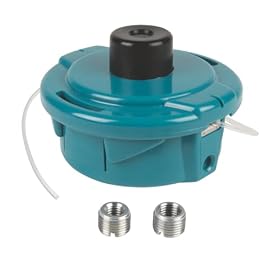
Bump-feed heads require you to tap the head against the ground to release more line. That action may be uncomfortable if you have wrist, hand, or thumb problems. An automatic-feed head can reduce those bumps, while a fixed-line head may avoid spool winding but require more frequent line replacement.
Each design has tradeoffs:
Bump feed: Common and simple, but requires tapping the head against the ground.
Automatic feed: Reduces bumping, but may release too much line or need troubleshooting if the mechanism sticks.
Fixed-line head: Can be quick to reload, but short pieces of line may need replacing more often.
Prewound spool: Convenient, but replacement spools must match the trimmer and can cost more over time.
For wrist comfort, choose the system that requires the least force and awkward movement for you. If reloading line is difficult, a simple fixed-line head or compatible prewound spool may be more practical than a traditional spool.
Battery, corded, or gas power?
Battery-powered trimmers
A battery trimmer is often the easiest option for someone concerned about wrist strain because it starts with a switch or trigger and generally avoids the pulling motion required by many gas engines. It also eliminates fuel mixing, engine vibration from combustion, and exhaust near the operator.
Pay attention to battery placement and total tool balance. A large battery can add weight at one end of the trimmer, so the lightest bare-tool rating does not necessarily indicate the most comfortable setup. If the battery is removable, consider whether you can charge and handle it comfortably.
Corded electric trimmers
A corded model can be relatively light because it does not carry a fuel tank or battery. It may work well for a small yard with a convenient outdoor outlet.
The cord is the main drawback. You must manage it carefully to avoid cutting it, tangling it, or pulling it across the work area. Use only an outdoor-rated extension cord and ground-fault protection as required by the manufacturer and local electrical rules. Do not use a corded trimmer where cord management would force awkward wrist movements.
Gas trimmers
Gas models can provide strong cutting performance and long work periods, but they may be heavier, noisier, and more vibration-prone. Starting the engine can also require repeated pulling. These characteristics often make gas a less comfortable choice for someone with wrist issues, unless extended runtime or heavy vegetation is more important than ease of handling.
If you choose gas power, prioritize a model with a comfortable starting system, good anti-vibration design, and a harness or shoulder strap approved for that tool.
Product prices and availability are accurate as of the date/time indicated and are subject to change. Any price and availability information displayed on Amazon.com at the time of purchase will apply to the purchase of this product.
Is a straight or curved shaft better for wrist comfort?
Shaft shape is a personal fit rather than a universal ranking. A curved shaft may feel natural for light trimming and can place the head in a comfortable position for some users. A straight shaft may provide more reach and is often preferred for edging, taller grass, or attachments.
The important question is whether the shaft lets you keep the cutting head level without twisting your wrist. Stand in your normal working posture and imagine sweeping the tool from side to side. If the shaft forces your hands into an angled or tense position, another design may be more comfortable.
Product prices and availability are accurate as of the date/time indicated and are subject to change. Any price and availability information displayed on Amazon.com at the time of purchase will apply to the purchase of this product.
Should you use a shoulder strap or harness?
A compatible shoulder strap or harness can transfer some of the tool’s weight from your hands to your shoulder and torso. This may reduce wrist fatigue, especially during longer trimming sessions.
Use only the strap or harness specified for the trimmer, and adjust it according to the manufacturer’s instructions. The release mechanism should be accessible, and the harness must not interfere with the trigger or safety controls. A strap will not correct poor balance or eliminate vibration, but it can reduce the amount of weight your wrists must support.
Product prices and availability are accurate as of the date/time indicated and are subject to change. Any price and availability information displayed on Amazon.com at the time of purchase will apply to the purchase of this product.
Features that matter less than they appear
Maximum cutting width and motor power are not the first priorities when wrist comfort is the main concern. A wider cutting path may reduce passes, but it can also make the head heavier and increase the force needed to control it. More power can help with dense growth, yet it may add weight, vibration, or battery size.
Choose enough capacity for your yard rather than the largest tool available. For grass and routine edging, a balanced, lower-stress trimmer is often a better fit than a heavy-duty model designed for brush.
How to test the fit before buying
If you can handle the trimmer in a store, or if the seller allows returns, check these points:
Hold it with both hands in the normal cutting position.
Keep your wrists straight and see whether the head stays level.
Check that the trigger and safety switch are reachable without shifting your grip.
Move the auxiliary handle until your elbows are slightly bent.
Sweep the tool gently from side to side without using force.
Notice whether the front end pulls downward or your wrist must counterbalance it.
Check whether the battery, fuel tank, or cord placement creates an awkward load.
Confirm that replacement line, spools, or a more comfortable head are available.
If the tool feels uncomfortable while stationary, it is unlikely to become comfortable after several minutes of trimming.
Setup and technique can reduce wrist strain
Even a well-designed trimmer can cause discomfort if it is set up incorrectly. Adjust the shaft or handle so the cutting head is near the ground without requiring you to bend or reach. Keep the head parallel to the surface, and guide the tool with your shoulders and elbows rather than flicking it with your wrist.
Use slow, controlled sweeps. Do not force the head into thick growth or use a line size that the manufacturer does not approve. Take short breaks before your hand or wrist becomes fatigued. Inspect the line and head regularly because a damaged or unevenly loaded spool can create extra vibration.
When to choose a different tool
A string trimmer may not be the right tool if you have difficulty gripping it even with both hands and a harness. For small areas, hand shears or a lightweight manual edger may require less sustained vibration. For larger areas, a wheeled trimmer or other tool that supports its own weight may be easier to control.
If the trimmer causes persistent pain despite proper adjustment, stop using it. A lighter replacement, a compatible low-vibration head, or a different type of yard tool may be more sensible than trying to compensate with a tighter grip.
FAQ
Are battery string trimmers better for people with wrist problems?
Often, yes, because they start without a pull cord and usually produce less engine-related vibration than gas models. However, battery weight and placement affect balance, so choose based on how the complete tool feels in your hands rather than battery power alone.
Is a bump-feed trimmer bad for wrist pain?
Not necessarily, but tapping the head to release line can aggravate some wrist or hand problems. An automatic-feed head, fixed-line head, or compatible prewound spool may reduce the movements that cause discomfort.
Does a shoulder strap help with wrist strain?
A compatible shoulder strap or harness can transfer some weight to your shoulder and torso. It must be adjusted correctly and used only as directed by the manufacturer; it will not fix poor balance or excessive vibration.
What is more important: a light trimmer or a balanced trimmer?
Balance is often just as important as total weight. A slightly heavier tool that stays level naturally may be easier to use than a lighter, front-heavy trimmer that requires constant wrist correction.
When should I replace a string trimmer instead of repairing it?
Replacement is reasonable when the tool remains excessively heavy or uncomfortable for your needs, compatible line and parts are difficult to find, or the motor, shaft, or electrical system has a major fault. For a damaged power cord, switch, battery connection, or motor, follow the manufacturer’s repair guidance and use a qualified service professional when appropriate.